Skip to content
Kolkata, West Bengal, 700075

Business hours

Dr. Pallab Pradhan | Physiotherapist in Kolkata

Monday
7am-10pm
Tuesday
7am-10pm
Wednesday
7am-10pm
Thursday
7am-10pm
Friday
7am-10pm
Saturday
7am-10pm
Sunday
10am-8pm

You can anytime during the day with your query.

8145163355

Latest Posts & Updates

Fresh stories, announcements and offers about Physiotherapist, straight from our business.

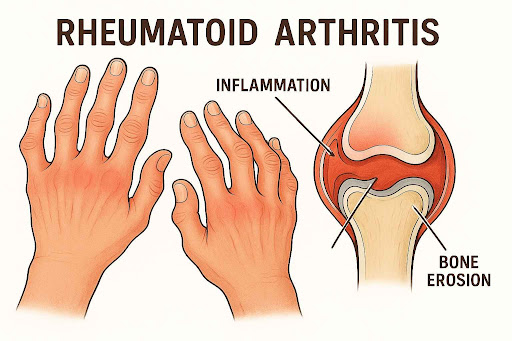
Physiotherapy is essential for managing Rheumatoid Arthritis (RA) by reducing pain, preserving jo…

Physiotherapy is essential for managing Rheumatoid Arthritis (RA) by reducing pain, preserving joint mobility, and strengthening supporting muscles. Treatment is highly personalized, focusing on active exercise during remission and joint protection or gentle passive modalities during acute flare-ups.1. Exercise TherapyRange of Motion (ROM): Gentle, low-impact stretching to maintain joint flexibility and prevent stiffness.Strengthening: Targeted resistance exercises to build the muscles surrounding the joints, which provides necessary structural stability.Aerobic Fitness: Low-impact cardio such as swimming, cycling, or water aerobics to improve cardiovascular health without over-stressing the joints.2. Pain and Symptom ReliefHeat & Cold Therapy: Using hot moist packs or paraffin wax helps loosen stiff morning joints, while cold packs help reduce active swelling and inflammation.Electrotherapy: Modalities like TENS (Transcutaneous Electrical Nerve Stimulation) deliver tiny electrical pulses to block pain signals.Massage & Mobilization: Gentle soft tissue massage eases surrounding muscle tension, while manual mobilization improves restricted joint mechanics.3. Joint Protection and EducationActivity Modification: Learning techniques to pace yourself and conserve energy, preventing rapid fatigue.Assistive Devices: Using splints, compression gloves, or adaptive household equipment to reduce direct stress on affected joints.
Physiotherapy is essential for managing Rheumatoid Arthritis (RA) by reducing pain, preserving jo… post imageRead full post

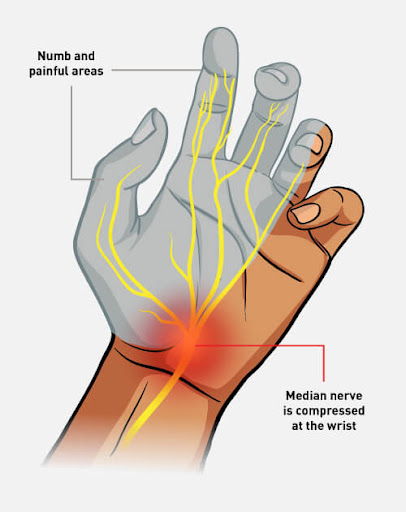
Physiotherapy for Carpal Tunnel Syndrome (CTS) focuses on decompressing the median nerve, reducin…

Physiotherapy for Carpal Tunnel Syndrome (CTS) focuses on decompressing the median nerve, reducing inflammation, and correcting ergonomic habits. Treatment typically involves wrist splinting to keep the joint neutral, nerve glides to promote mobility, and gentle stretches to relieve tension in the tendons and forearm muscles.Core Physiotherapy Treatment ComponentsSplinting and Bracing: Wearing a rigid wrist splint—especially while sleeping—keeps the wrist in a neutral position. This prevents the carpal tunnel from narrowing and minimizes nerve compression overnight.Nerve Gliding Techniques: Specific movements (like making a fist, extending the fingers, and gently bending the wrist) help the median nerve slide freely within the carpal tunnel, preventing scarring and reducing localized irritation.Stretching and Strengthening: Gentle stretches improve the flexibility of tight forearm muscles. Once acute pain subsides, strengthening exercises help stabilize the wrist and upper back to prevent muscle imbalances and future strain.Passive Modalities: To manage pain and inflammation, physiotherapists may utilize physical agents such as therapeutic ultrasound, low-level laser therapy, or shockwave therapy.Ergonomic Modifications: Therapists will evaluate your workstation and daily habits to ensure neutral wrist positioning. They often recommend frequent stretch breaks and adjusting the height of your keyboard or desk to reduce repetitive stress.

Physiotherapy for Carpal Tunnel Syndrome (CTS) focuses on decompressing the median nerve, reducin… post imageRead full post

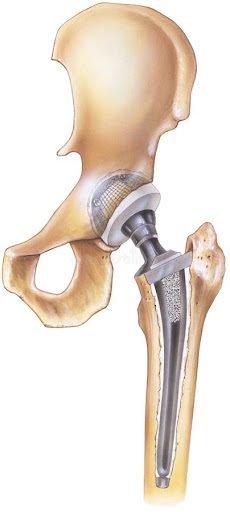
Physiotherapy after a hip replacement is critical for a safe, successful recovery. It typically b…

Physiotherapy after a hip replacement is critical for a safe, successful recovery. It typically begins within 24 hours of surgery and lasts for 6 to 12 weeks. The core goals are to restore the joint's range of motion, rebuild strength in the surrounding muscles, and prevent post-surgical complications like blood clots or stiffness.Why Physiotherapy MattersPrevents complications: Walking and moving early reduces the risk of blood clots and scar tissue.Speeds up recovery: Guided exercises safely stabilize the new joint.Restores mobility: PT helps you regain the ability to walk unassisted, climb stairs, and complete daily tasks.

Physiotherapy after a hip replacement is critical for a safe, successful recovery. It typically b… post imageRead full post

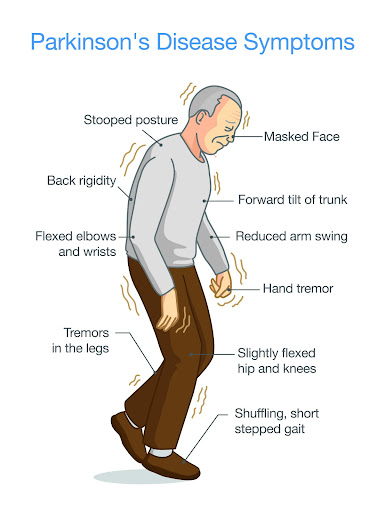
Physiotherapy is a cornerstone in managing Parkinson’s disease (PD). It utilizes targeted exercis…

Physiotherapy is a cornerstone in managing Parkinson’s disease (PD). It utilizes targeted exercises and movement strategies to improve mobility, increase muscle strength, enhance balance, and reduce the risk of falls, ultimately helping patients maintain independence and quality of life.Core InterventionsAerobic Exercise: Moderate to high-intensity training (e.g., stationary cycling, treadmill walking) to improve overall cardiovascular endurance and reduce motor disease severity.Resistance Training: Progressive strength training to build power, reduce rigidity, and improve activities of daily living.Balance & Fall Prevention: Specific exercises like Tai Chi or dedicated balance drills to improve postural stability and minimize fall risks.Flexibility & Posture: Targeted stretching to combat muscle tightness and postural deformities (stooped posture) frequently seen in PD.

Physiotherapy is a cornerstone in managing Parkinson’s disease (PD). It utilizes targeted exercis… post imageRead full post

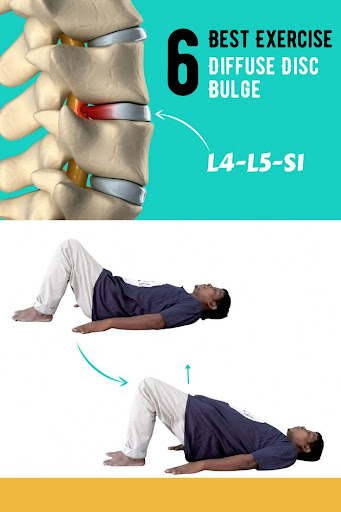
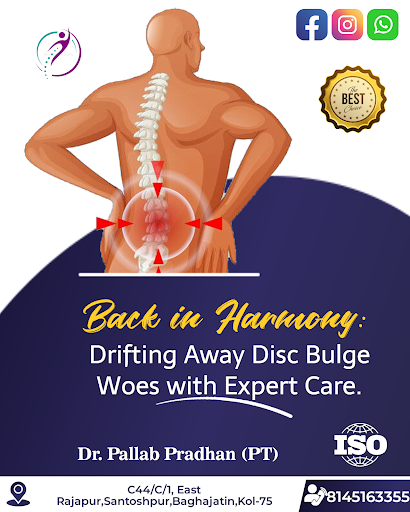
Physiotherapy is the primary non-surgical treatment for a disc bulge. It focuses on relieving ner…

Physiotherapy is the primary non-surgical treatment for a disc bulge. It focuses on relieving nerve pressure, reducing inflammation, and stabilizing the spine through targeted core exercises and movement correction.Typical Treatment StagesPain & Nerve Management: Therapists use gentle spinal movements—such as lateral pelvic glides or extension stretches—to shift the disc material and alleviate pressure on the affected nerve.Stability & Strengthening: Once acute pain subsides, focus shifts to rebuilding the core muscles that act as a natural brace for your lower back.Movement Education: You will learn safe, ergonomic ways to sit, stand, and lift to prevent future flare-ups.

Physiotherapy is the primary non-surgical treatment for a disc bulge. It focuses on relieving ner… post imageRead full post

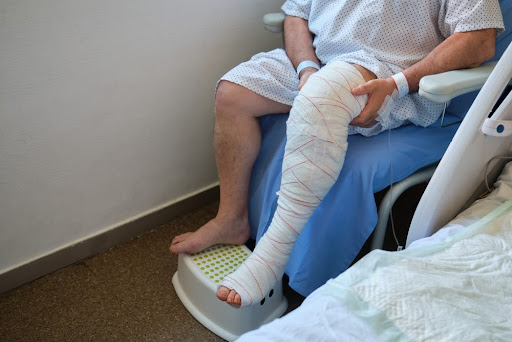
Total Knee Replacement (TKR) physical therapy (PT) management focuses on early mobility, reducing…

Total Knee Replacement (TKR) physical therapy (PT) management focuses on early mobility, reducing swelling, and restoring joint range of motion (ROM) and strength. The process typically involves inpatient exercises within 24 hours of surgery, followed by a consistent home and outpatient rehabilitation routine for 6 to 12 months.Immediate Post-Op Phase (Days 1–14)Pain & Swelling Management: Elevate your leg above heart level and apply ice packs for 15–20 minutes several times a day to control inflammation.Basic Mobility: Start gentle ankle pumps, quadriceps sets, and straight leg raises as guided. Use a walker or crutches to safely bear weight.Key Precautions: Do not place a pillow directly behind the knee, as this can cause a knee flexion contracture (stiffness). Avoid twisting or pivoting.Intermediate Phase (Weeks 2–6)Milestone Goals: Progress to walking short distances with a cane and achieving a 90-degree knee bend.Strengthening: Add light ankle weights (0.5 to 1 kg) for straight leg raises. Begin stationary bicycling and supported squats or lunges.Long-Term Recovery (Weeks 6+)Function: Transition to walking independently without aids and work towards bending the knee 110–120 degrees.Activities: Focus on advanced strengthening like step-ups and single-leg balancing. Most patients can resume driving, light work, and regular daily activities by month three.

Total Knee Replacement (TKR) physical therapy (PT) management focuses on early mobility, reducing… post imageRead full post

Specific Exercises:

Standing Lumbar Extension: Gently push hips forward to extend the lower back, reducing pressure on the discs. Glute Bridges: Strengthens hamstrings and glutes, improving spinal stability. Bird Dog: Stabilizes the lower back by engaging core muscles. Cobra Pose: Gently extends the vertebrae, relieving pressure from slipped discs. Knee-to-Chest Stretches: Lie on your back and pull one knee towards your chest, stretching the back and relieving pressure. Cat-Cow Stretch: This dynamic stretch can help improve spinal mobility and relieve tension. Prone Press-Up: Lying on your stomach, press your upper body up, engaging back muscles and relieving pressure.

Specific Exercises: post imageRead full post

Why Physiotherapy is Essential for Cervical Spondylosis

Physiotherapy aims to restore and maintain the body’s mobility and functionality using targeted exercises and manual therapy. Physiotherapy for cervical spondylosis focuses on: Pain relief: By reducing inflammation and tension in the neck muscles. Improved mobility: Increasing the range of motion in the cervical spine. Strengthening muscles: Supporting the neck to reduce strain on the cervical spine. Posture correction: Minimizing the risk of further wear and tear on the neck.

Why Physiotherapy is Essential for Cervical Spondylosis post imageRead full post

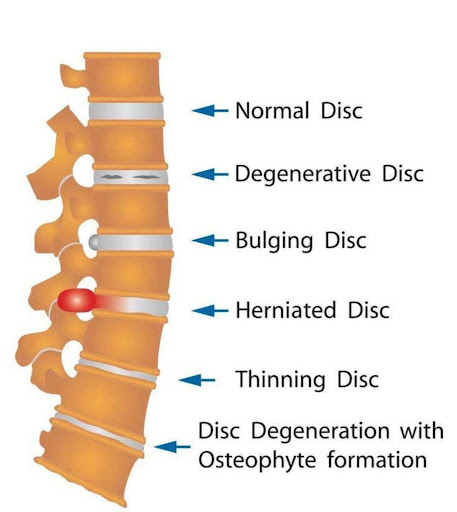
Physiotherapy treatment for a bulging disc

There is no one-size-fits-all lower back physio treatment plan, but the following goals should be included in all lower back treatment plans. Step 1: Determine the source of your back pain. Step 2: Back pain alleviation, healing, and defence. Hands-on care and advice. Basic exercises are used to restore normal ranges of motion and strength. Step 3: Restoring full function, returning to routine activities, and performing functional strengthening exercises. Step 4: Avoiding a recurrence. We will also educate and inform you about your spine so that you may self-manage your back difficulties, ultimately equipping you with the knowledge to keep your lower back healthy and prevent reoccurrence.

Physiotherapy treatment for a bulging disc post imageRead full post